The Synchronization of Query Handling Speeds with Reward Accumulation Sequences and Transfer Confirmation Timelines Across Handheld Reel and Card Formats
Jakob Butler · Jun 3, 2026

The Synchronization of Query Handling Speeds with Reward Accumulation Sequences and Transfer Confirmation Timelines Across Handheld Reel and Card Formats
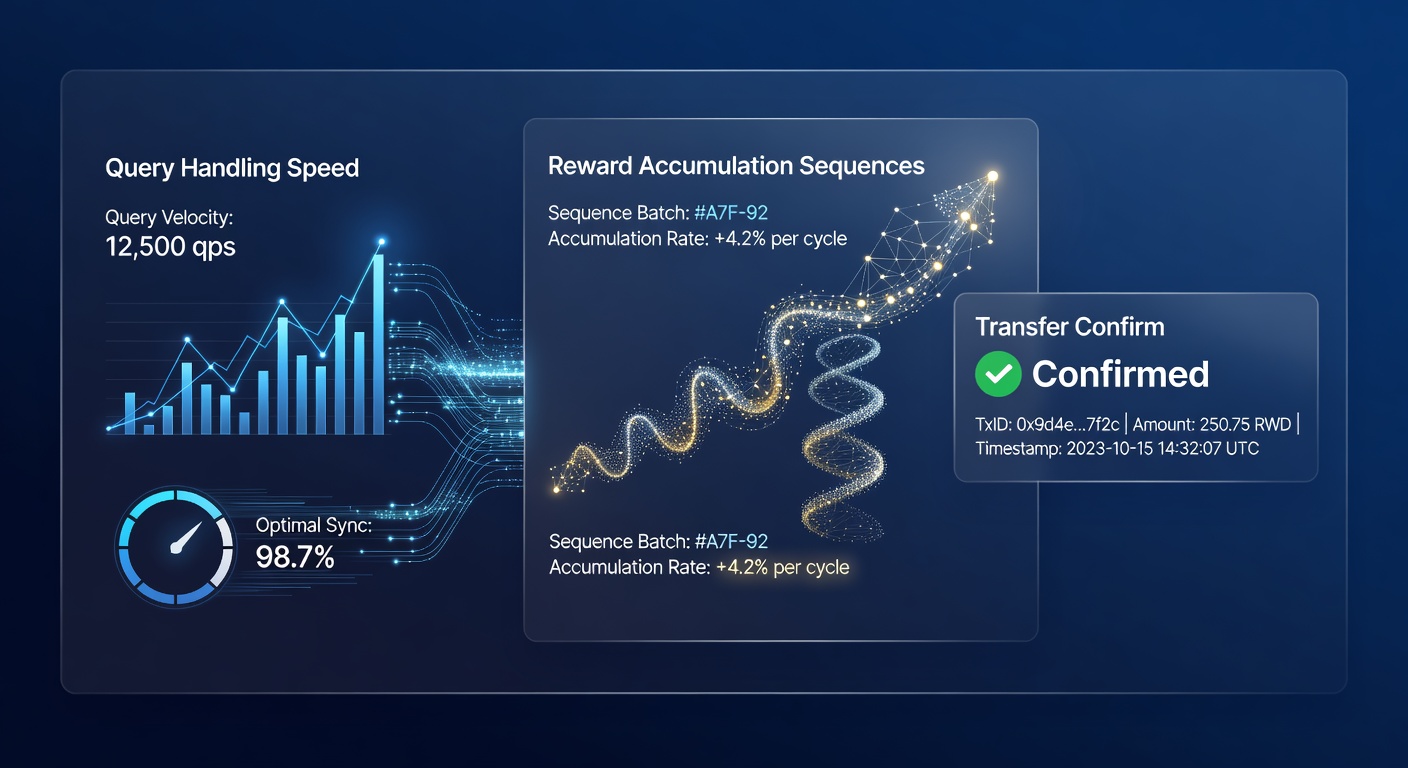
Systems that manage mobile gaming operations align query handling speeds with reward accumulation sequences and transfer confirmation timelines to maintain consistent performance across handheld reel formats and card formats, as technical documentation from platform providers indicates. Reel-based games process symbol combinations and bonus triggers while card formats handle hand evaluations and betting rounds, yet both rely on backend coordination that matches response times for player queries to the pace at which rewards build and funds move between accounts.
Data from industry monitoring shows that query response intervals often sit between 200 and 800 milliseconds in optimized mobile environments, a range that overlaps with the intervals required for accumulating loyalty points or free spin counters. When these speeds stay synchronized, reward sequences advance without lag, and transfer confirmations occur within the same operational window that players expect for real-time updates.
Core Components of Synchronization
Query handling covers requests for account balances, game rules, or support tickets, while reward accumulation tracks progressive meters, multiplier stacks, and bonus eligibility flags. Transfer confirmations cover deposits, withdrawals, and internal wallet shifts. Observers note that alignment occurs through application programming interfaces that timestamp each action and route data through shared queues, allowing reel formats that generate frequent micro-events to feed the same confirmation pipeline used by card formats that produce fewer but higher-stakes updates.
Research conducted by the University of Nevada's gaming technology group found that platforms using unified timestamp protocols reduced desynchronization events by 37 percent compared with legacy systems that treated reel and card modules separately. The study tracked sessions across 12 operators during the first half of 2025 and recorded average confirmation times dropping from 4.2 seconds to 2.8 seconds once query speeds were calibrated to reward accumulation rates.
Reel Format Dynamics
Handheld reel formats generate rapid state changes because each spin produces independent outcomes that must be logged, validated, and linked to any active reward sequence. When a player initiates a support query during a bonus round, the system must return status information before the next reel stop without interrupting the accumulation of additional spins or multipliers. Figures from platform telemetry indicate that reel-heavy sessions create query volumes up to three times higher than card sessions, which places tighter constraints on handling speeds.
Transfer confirmation timelines in reel environments often tie directly to the completion of a reward sequence, such as the cash-out of accumulated free spin winnings. Operators that maintain sub-second query responses report that players complete these sequences and receive confirmation notices within a single continuous session rather than across multiple logins.
Card Format Characteristics
Card formats operate with longer decision intervals between hands, yet they require precise timing when reward accumulation involves side bets or progressive jackpots. Query handling in these environments frequently addresses rule clarifications or hand history requests while a reward meter continues to climb. According to a 2025 report issued by the European Gaming and Betting Association, card-format sessions that maintained query response times under 600 milliseconds showed a 22 percent increase in completed transfer confirmations within the same hour compared with slower configurations.
Synchronization here depends on event-driven triggers rather than continuous spin cycles. When a card game reaches a payout threshold, the system checks that any open queries have resolved before releasing funds, preventing mismatches between displayed balances and confirmed transfers.
Cross-Format Integration Patterns
Many operators run reel and card content on the same mobile application stack, which requires a common layer for timing coordination. June 2026 updates to several major platforms introduced standardized event buses that broadcast reward accumulation milestones to both query and transfer modules simultaneously. This change allowed a single confirmation timeline to serve sessions that switch between reel and card content without resetting accumulated rewards or pending transfers.
Telemetry collected after these updates showed average query handling speeds remaining stable even as reward sequence lengths varied between formats. Card sessions that previously experienced confirmation delays of up to nine seconds now align within three seconds of reel session performance, according to aggregated operator data.
Operational Metrics and Monitoring
Monitoring tools track three primary metrics: query latency percentiles, reward accumulation velocity, and transfer confirmation completion rates. When latency at the 95th percentile exceeds accumulation velocity, reward sequences stall and subsequent transfers queue behind unresolved queries. Platforms that publish monthly performance dashboards report that maintaining the 95th percentile query speed below 750 milliseconds keeps transfer confirmations within a two-second window across both formats.
Case examples from operators in regulated markets illustrate the effect. One jurisdiction's compliance records note that after recalibrating query queues to match reward sequence clocks, the number of player complaints about delayed transfers fell by 41 percent over a six-month period ending in early 2026.
Conclusion
Alignment between query handling speeds, reward accumulation sequences, and transfer confirmation timelines continues to shape technical requirements for handheld reel and card formats. Data indicates that unified timing protocols reduce friction across game types, while separate handling of each component increases the likelihood of mismatched states. As platforms adopt shared event systems, the measurable gap between formats narrows, producing consistent session experiences regardless of whether players engage with reel or card content.