Regulatory Ripples Recalibrating Incentive Sequencing Across Transnational Digital Amusement Networks
Felix Meier · Aug 26, 2026

Regulatory Ripples Recalibrating Incentive Sequencing Across Transnational Digital Amusement Networks
Regulatory shifts in multiple jurisdictions continue to reshape how operators structure player incentives across digital platforms that span national borders, and data from oversight bodies shows these adjustments directly influence the timing and layering of bonuses, free spins, and loyalty rewards. Platforms serving users in Europe, North America, and Asia-Pacific regions must now align promotional sequences with varying compliance windows, which in turn affects account activation flows and reward release schedules. Observers note that operators adjust their incentive calendars to match staggered enforcement dates, creating ripple effects that reach from initial deposit matches through to progressive jackpot contributions.
Cross-Border Compliance Adjustments
European Union member states implemented updated digital services directives that took partial effect in early 2025, with full rollout phases extending into August 2026 for certain cross-border data sharing requirements on player accounts. These rules require operators to verify incentive eligibility against local responsible gaming thresholds before releasing layered promotions, which alters the traditional sequence of welcome bonuses followed by retention offers. In parallel, several U.S. state gaming commissions updated their interstate compact guidelines, forcing platforms licensed in multiple states to recalibrate the order in which free spin packages and cashback percentages appear in user interfaces.
Canadian provincial regulators, including those in Ontario and British Columbia, introduced new reporting mandates that tie bonus release timelines to real-time transaction monitoring systems. Operators report that these mandates have shifted the placement of deposit match offers from immediate post-registration stages to later points in the player lifecycle, after initial verification and spend thresholds are met. Figures released by the Nevada Gaming Control Board indicate a measurable increase in the average number of days between account creation and first bonus activation for multi-state platforms during the first half of 2026.
Sequencing Changes in Practice
Operators managing transnational networks now map incentive sequences against a matrix of jurisdictional rules rather than a single global calendar. A typical flow might begin with age and identity verification, followed by a jurisdiction-specific cooling period before any promotional credits appear, then a second verification step before progressive contributions unlock. Research conducted by academic groups at the University of Sydney's gambling studies unit shows that platforms serving Australian and Asian markets have lengthened the interval between free spin grants and cashout eligibility to satisfy local harm minimization standards.
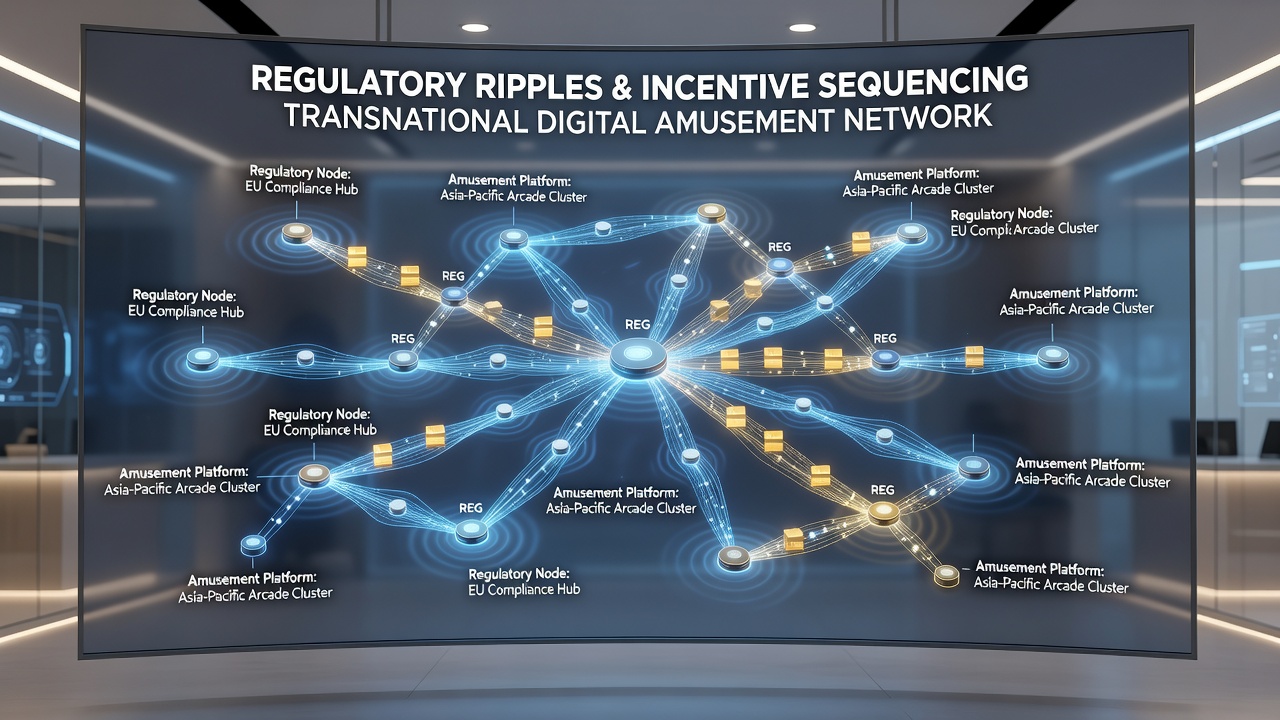
Payment processing partners have also adjusted their integration points, inserting additional confirmation steps that align with the new regulatory windows. This means the moment a player completes a qualifying wager no longer automatically triggers the next incentive layer; instead, systems hold the reward until compliance checks clear across all active jurisdictions. Those who manage platform infrastructure describe the process as inserting deliberate pauses that prevent simultaneous release of overlapping promotions, thereby reducing the risk of regulatory overlap violations.
Technology and Reporting Requirements
Software providers have released updated modules that track regulatory triggers in real time, flagging when an incentive sequence risks breaching any connected jurisdiction's rules. These tools log every step from bonus activation through to final transfer confirmation, generating reports that operators submit to multiple authorities on differing schedules. Data shared at industry forums indicates that platforms using these modules reduced compliance queries by roughly 30 percent in the months leading into August 2026 compared with earlier manual processes.
Payment rails themselves have incorporated new compliance tags that travel with each transaction, ensuring that funds originating from a bonus issued under one set of rules do not inadvertently trigger another jurisdiction's restrictions. This tagging system forces operators to maintain separate sequencing logic for different user cohorts, even when those users access the same game library from different countries.
Industry-Wide Effects Observed
Trade associations tracking platform performance report that the recalibration of incentive sequences has produced longer average player engagement cycles before major reward redemptions occur. The pattern appears consistent across markets where regulators require staggered release of promotional value, according to aggregated figures from multiple oversight bodies. Operators have responded by developing region-specific incentive trees that branch according to the user's primary regulatory profile rather than offering a uniform global path.
Academic papers examining player behavior data from 2025 through mid-2026 note corresponding changes in how users navigate deposit and withdrawal sequences when bonus eligibility depends on cross-border compliance checks. These studies highlight increased use of in-app guidance that explains why certain rewards appear later than in previous system versions.
Conclusion
Regulatory adjustments continue to drive measurable shifts in the order and timing of incentives across transnational digital amusement networks, with enforcement milestones in August 2026 marking further alignment points for operators. Compliance systems now embed jurisdictional calendars directly into platform logic, producing incentive sequences that differ by user location even within the same network. Data from regulatory agencies and research institutions shows these changes affect everything from initial bonus presentation to final payout confirmation, requiring ongoing technical and procedural updates from platform operators worldwide.