Prediction Markets Cost States and Tribes Over $1 Billion in Lost Tax Revenue, American Gaming Association Reports
Jonas Schwarz · May 29, 2026

Prediction Markets Cost States and Tribes Over $1 Billion in Lost Tax Revenue, American Gaming Association Reports
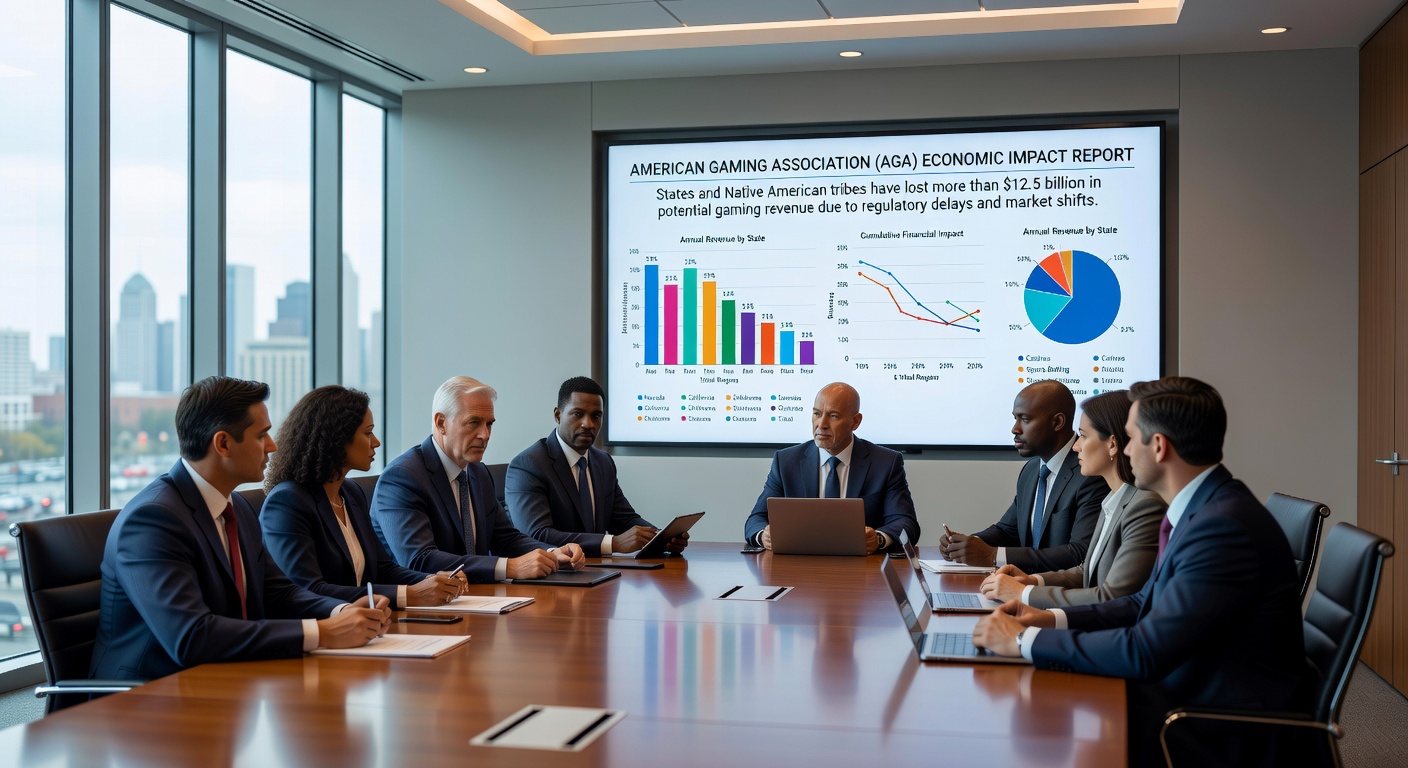
The American Gaming Association released findings that states and Native American tribes have lost more than $1 billion in potential tax revenue because prediction markets operate under federal oversight from the Commodity Futures Trading Commission rather than through state licensing frameworks, and this situation has prompted ongoing litigation along with new tax proposals in several jurisdictions.
Prediction markets such as those run by Kalshi and Polymarket function as federally regulated platforms where users trade contracts on various outcomes, yet these venues fall outside traditional state gambling taxation systems, which means revenue that would normally flow to state budgets and tribal gaming operations now bypasses those channels entirely.
Scale of the Revenue Shortfall
Data compiled by the association shows the cumulative impact exceeds $1 billion across affected regions, and this figure stems from contracts tied to sporting events that dominate trading volume on these platforms, while observers note that the absence of state-level taxes creates a structural gap that continues to widen as participation grows.
Figures reveal sports-related contracts account for the majority of activity, which places additional pressure on state sports betting programs that already contribute significant tax dollars, and this dynamic has led researchers to track how prediction market expansion correlates with reduced collections at the local level.
State-Level Responses and Legal Actions
Multiple states have initiated litigation to challenge the current regulatory structure, while lawmakers in Kentucky, Iowa, and Pennsylvania have introduced measures aimed at capturing tax revenue from these markets through new legislative frameworks, and these efforts reflect attempts to align prediction market activity with existing gambling oversight models.
In Kentucky proposed bills seek to impose licensing requirements on operators that serve state residents, whereas Iowa and Pennsylvania have advanced similar tax proposals that would treat prediction contracts as taxable events under state jurisdiction, and these initiatives remain under consideration as court cases proceed.
Role of Federal Regulation via the CFTC
The Commodity Futures Trading Commission provides the primary regulatory umbrella for prediction markets, which allows platforms to function nationwide without obtaining individual state approvals, and this federal approach creates the revenue diversion that the American Gaming Association has quantified in its analysis.
Because CFTC oversight preempts many state rules in this domain, operators avoid the licensing fees and tax obligations that apply to traditional sportsbooks and casinos, which means states and tribes receive no direct share of the economic activity generated by these contracts.
Focus on Sports Contracts and Trading Volume
Sports-related prediction contracts represent the largest share of trading activity, and this concentration has drawn particular attention from state officials who oversee legalized sports betting programs, while data from the association indicates that these contracts drive the bulk of the estimated revenue loss.
A live tracker of lost tax revenue from prediction markets maintained by the group provides ongoing updates on the figures, and this resource allows policymakers to monitor how specific contract categories contribute to the overall shortfall.
Implications for Tribes and State Budgets
Native American tribes that operate gaming facilities under compacts with states face parallel revenue impacts because prediction markets draw participants away from tribal sportsbooks without generating compact payments or tribal taxes, and this parallel effect has prompted tribal representatives to join state litigation efforts in several cases.
State budget analysts have begun incorporating these losses into revenue forecasts, which affects planning for education, infrastructure, and other programs funded by gambling taxes, and the ongoing nature of the shortfall means adjustments continue across multiple fiscal cycles.
Conclusion
The American Gaming Association report underscores how the current division between federal and state regulatory authority shapes revenue outcomes for prediction markets, and the combination of litigation, proposed tax legislation in Kentucky, Iowa, and Pennsylvania, plus the dominance of sports contracts in trading volume, illustrates the active efforts underway to address the documented $1 billion shortfall. States and tribes continue to pursue remedies through courts and legislatures as the market evolves under CFTC rules.