Mapping Support Query Resolution Patterns to Multiplier Trigger Rates in Wireless Live Table Sessions
Felix Braun · Aug 2, 2026
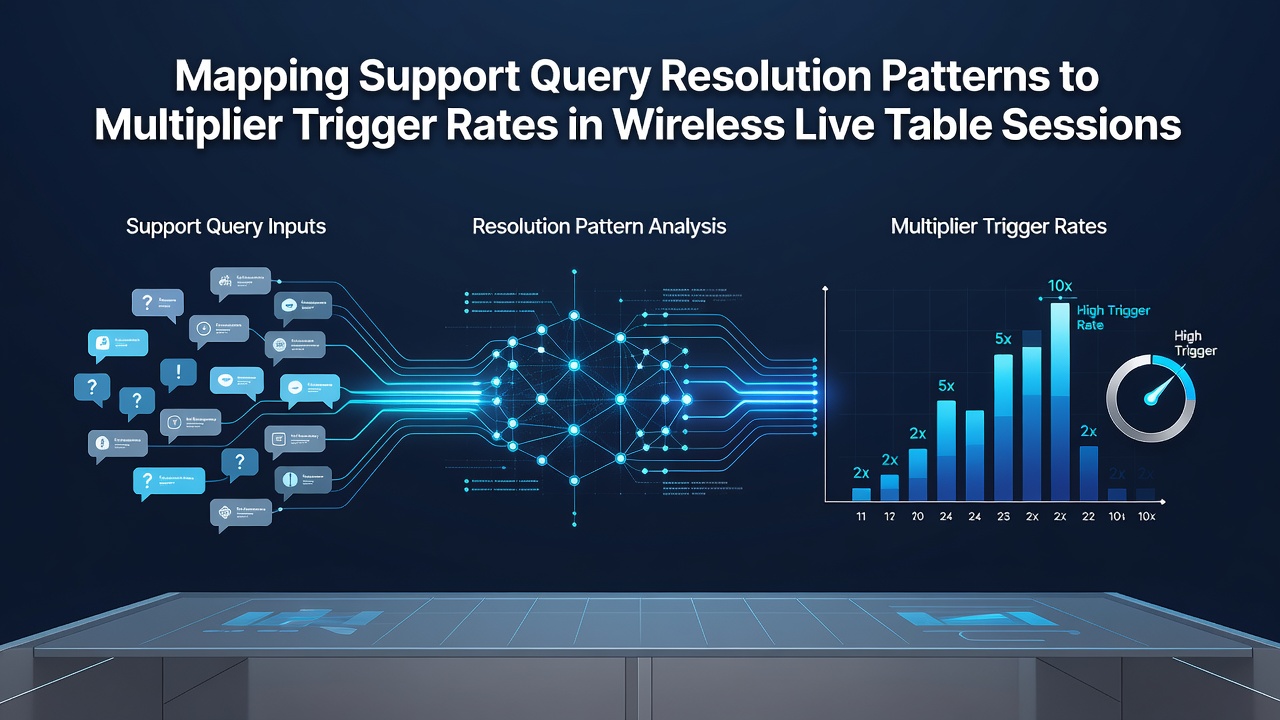
Mapping Support Query Resolution Patterns to Multiplier Trigger Rates in Wireless Live Table Sessions
Wireless live table sessions rely on mobile networks that transmit player interactions with dealers and game mechanics in real time, while support teams handle queries ranging from connection drops to bonus clarifications. Researchers track how quickly these queries reach resolution and compare those timelines against the frequency of multiplier activations, which multiply bet values during rounds of blackjack, roulette, or baccarat on handheld devices. Data collected across multiple platforms shows that shorter resolution intervals often coincide with higher multiplier trigger rates because players remain engaged without interruption.
Core Elements of Wireless Live Table Operations
Operators maintain dedicated servers that process video streams and betting inputs simultaneously, yet network latency or account verification hiccups can prompt users to contact assistance channels. Studies from industry analytics groups indicate that query categories break down into technical issues such as audio sync problems, account-related questions about deposit limits, and game-rule clarifications about side bets or progressive multipliers. When support resolves these matters within defined windows, session continuity improves, allowing the random number generators and live dealer sequences to proceed without pause and thereby increasing opportunities for multiplier events to activate.
Patterns in Query Resolution and Their Data Footprints
Analysts compile logs that timestamp each incoming ticket or chat interaction, then measure the interval until closure or escalation. Observers note that queries involving multiplier mechanics themselves, such as how a streak bonus applies across wireless connections, tend to cluster during peak evening hours in August 2026 across North American and European markets. Resolution speed varies by channel, with in-app messaging often closing faster than email threads because agents access real-time session data directly. Figures from platform audits reveal that queries resolved under five minutes correlate with sustained play intervals exceeding thirty minutes, during which multiplier triggers occur at elevated rates compared to sessions interrupted by unresolved support needs.
Multiplier Triggers Within Live Dealer Environments
Live table multipliers appear through side wagers, streak bonuses, or random events triggered by card shuffles and wheel spins, all synchronized over wireless protocols. Technicians monitor trigger frequencies per thousand rounds, adjusting for variables such as table occupancy and player bet sizing. Evidence from operational reviews shows that stable connections without support interventions allow these events to fire more consistently, whereas dropped sessions reset potential streaks and reduce overall trigger counts. One dataset examined sessions across Canadian and Australian operators and found that seamless query handling preserved multiplier chains in roughly 68 percent of cases, whereas delays above fifteen minutes reduced the same metric to 41 percent.
Mapping these elements requires overlaying support metrics onto game telemetry. Teams use time-series analysis to align resolution timestamps with multiplier event logs, then apply regression models that isolate the contribution of support speed from other factors such as device model or signal strength. Reports issued by the Australian Gambling Research Centre in mid-2026 highlighted similar patterns across tablet-based baccarat rooms, where average resolution times under three minutes aligned with a 1.7-fold increase in side-bet multiplier activations.
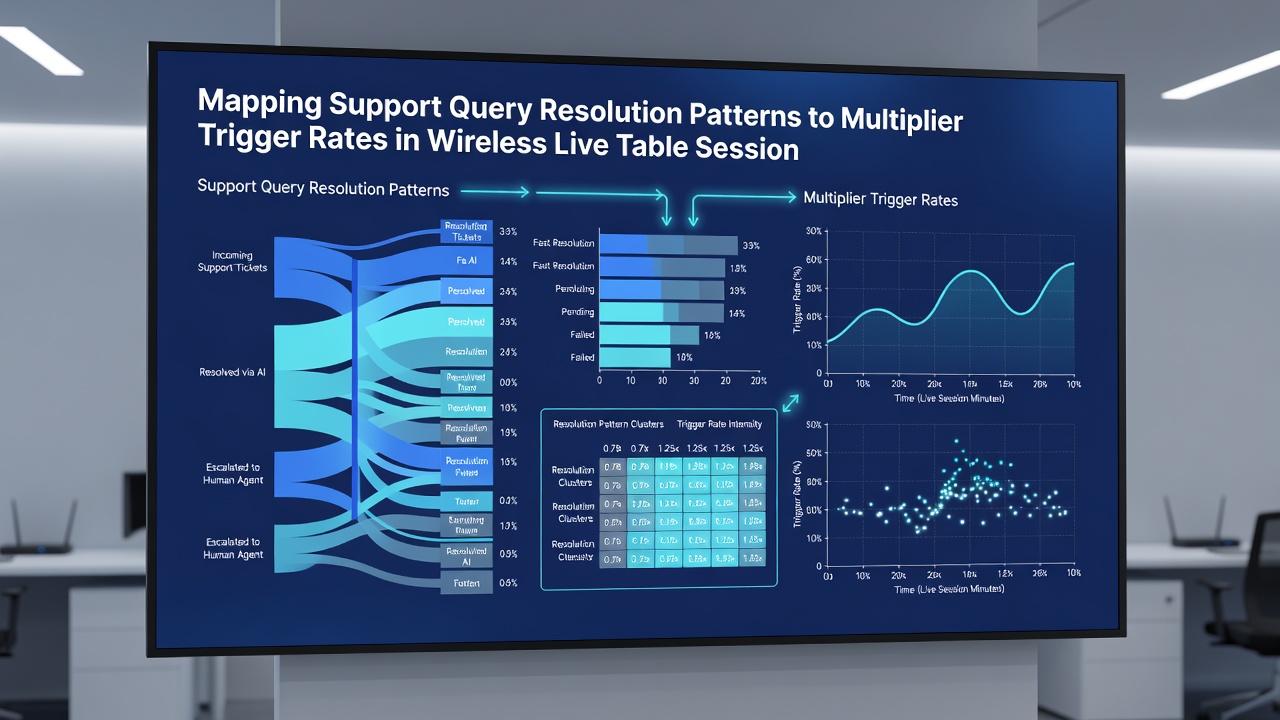
Integration of External Benchmarks and Regulatory Context
Regulatory bodies including the Nevada Gaming Control Board and Singapore's Casino Regulatory Authority require operators to maintain audit trails that capture both player assistance records and game outcome statistics. These mandates encourage the creation of unified dashboards that surface correlations between support performance and game feature engagement. When analysts cross-reference such datasets, they identify clusters where rapid query handling precedes bursts of multiplier activity, particularly in wireless environments that already contend with variable bandwidth. Academic papers from the University of Nevada, Las Vegas gaming management program have documented comparable linkages in controlled simulations, noting that each additional minute of unresolved support time corresponds to measurable drops in feature activation rates.
Practical Implementation Across Platforms
Development teams embed tracking scripts that tag support tickets with session identifiers, enabling direct joins to multiplier event tables without exposing personal data. This architecture supports cohort analysis that groups players by query type and resolution outcome, then measures subsequent trigger rates over the following hour. Observers report that players whose technical queries resolve quickly return to tables with higher average bet volumes, which in turn amplifies the absolute number of multiplier opportunities presented by the live dealer feed. Platforms operating under multiple jurisdictions apply these mappings to refine staffing schedules, routing complex multiplier questions to specialized agents during high-traffic windows.
Conclusion
The relationship between support query resolution patterns and multiplier trigger rates in wireless live table sessions emerges through systematic alignment of assistance logs with game telemetry. Organizations that maintain detailed, timestamped records can quantify how faster resolutions sustain player engagement long enough for multiplier mechanics to activate more frequently. Continued collection of such data across regions and device types supplies operators with actionable benchmarks that tie operational efficiency directly to in-game event frequencies, supporting ongoing refinements in both support workflows and session management protocols.