How Licensing Variations Shape Reward Distribution Sequences in Wireless Table Game Environments
Jonas Schwarz · Jul 1, 2026
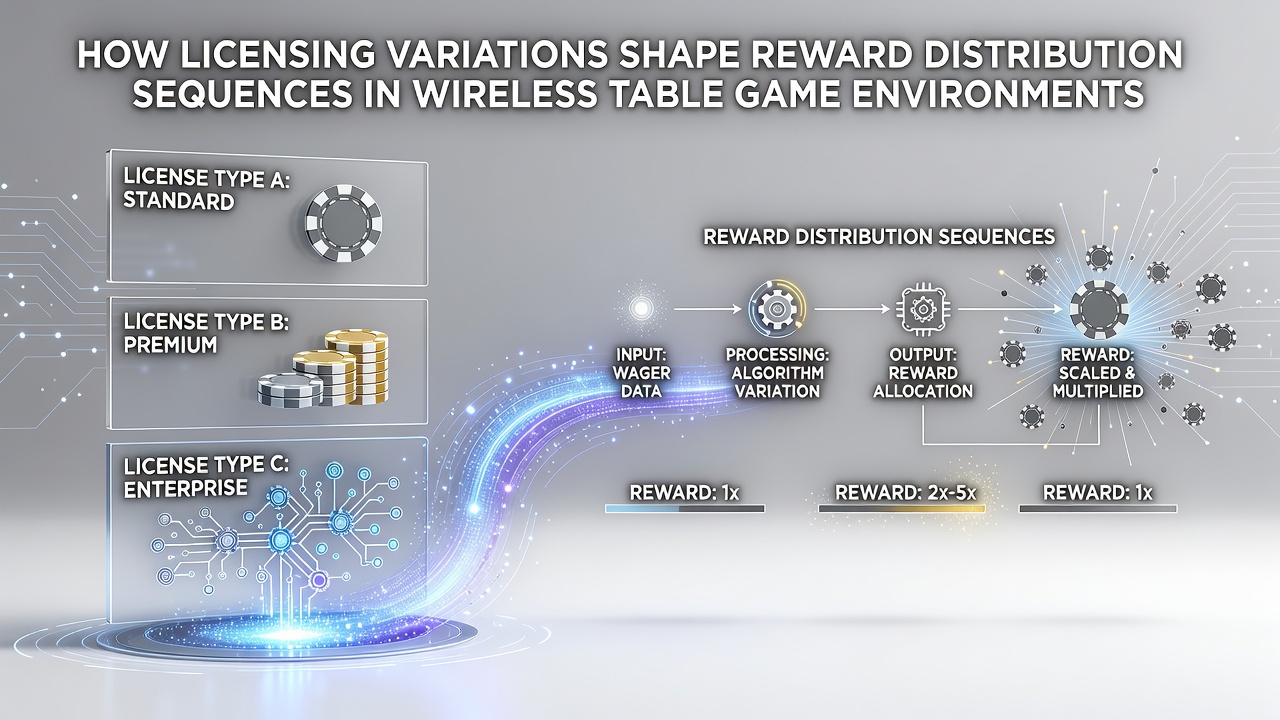
How Licensing Variations Shape Reward Distribution Sequences in Wireless Table Game Environments
Regulatory licensing frameworks establish the operational boundaries that determine how reward distribution sequences unfold across wireless table game platforms, and observers note that these structures create measurable differences in verification timelines, payout processing, and bonus release patterns. Data from multiple jurisdictions shows that license conditions directly influence the order and speed at which players receive winnings from games such as blackjack, roulette, and baccarat on mobile devices.
State-level licenses in the United States impose specific requirements on identity verification and fund segregation that extend the initial stages of reward sequences, whereas international licenses often allow faster progression to payout confirmation once basic checks complete. According to reports from the Nevada Gaming Control Board, operators holding Nevada licenses must maintain separate accounts for player funds, which adds documented steps to the distribution process for wireless table game wins recorded after July 2026 updates to electronic reporting standards.
Regional Licensing Models and Their Impact on Sequence Timing
Licenses issued under different regional authorities create distinct checkpoints within reward distribution sequences because each framework mandates unique compliance layers before funds move from game servers to player accounts. In North American markets, provincial regulators in Canada require operators to integrate real-time reporting systems that trigger automatic holds on large wireless table game payouts until tax documentation clears, and this requirement alters the typical sequence compared with offshore jurisdictions. Research from Canadian regulatory filings indicates that such holds add between 24 and 72 hours to the confirmation phase for rewards exceeding set thresholds.
European Economic Area licenses, by contrast, emphasize consumer protection rules that prioritize rapid verification through centralized databases, allowing reward sequences to advance more quickly once initial player data matches approved records. Figures from industry analyses reveal that operators under these licenses complete the transition from game outcome to payout initiation in shorter average windows than those bound by stricter state-by-state rules in the US.
Verification Protocols and Reward Release Patterns
Verification protocols embedded in licensing conditions determine when reward distribution sequences can proceed from accumulation to transfer stages, and experts have observed that mobile table game environments amplify these effects because device-based sessions often involve multiple short play periods rather than single extended sessions. Licenses requiring multi-factor authentication at each login reset certain sequence timers, which resets bonus eligibility windows and forces players to restart accumulation cycles after each verification event.

Operators licensed in multiple jurisdictions must reconcile conflicting sequence requirements within the same mobile application, and this reconciliation produces hybrid distribution patterns where some rewards follow one jurisdiction's timeline while others adhere to another. Data compiled by academic researchers at the University of Nevada, Reno, demonstrates that these hybrid systems generate measurable variations in average payout completion times across identical table game titles offered to users in different regions.
Bonus Structures and Progressive Accumulation Under Varied Licenses
Bonus structures tied to licensing agreements shape how progressive accumulations move through reward sequences in wireless table game settings because each license type sets distinct contribution rates from table game wagers toward jackpot pools and promotional funds. Licenses that cap the percentage of wagers allocated to progressive meters slow the growth rate of those meters, which in turn delays the point at which sequences reach payout triggers. In July 2026, several jurisdictions updated their allocation formulas, and subsequent reports from the American Gaming Association showed corresponding shifts in accumulation speeds across licensed mobile platforms.
Operators adapt their internal sequencing logic to satisfy the strictest license conditions that apply to any user segment, and this adaptation produces standardized but slower reward flows that satisfy all regulatory overlays simultaneously. Those who have examined transaction logs across platforms note that the resulting sequences prioritize compliance checkpoints over speed, even when faster options exist under less restrictive licenses.
Conclusion
Licensing variations continue to define the precise order and duration of each stage in reward distribution sequences for wireless table game environments, and regulatory updates scheduled through 2026 and beyond will likely introduce additional checkpoints that further differentiate outcomes across jurisdictions. Observers tracking these developments expect continued divergence in verification speeds, bonus release timing, and payout confirmation processes as authorities refine their requirements for mobile operations.