Exploring Interconnections Among Response Protocols, Reward Stacking, and Transaction Flows Within Handheld Gaming Platforms
Felix Meier · Jun 19, 2026
Exploring Interconnections Among Response Protocols, Reward Stacking, and Transaction Flows Within Handheld Gaming Platforms
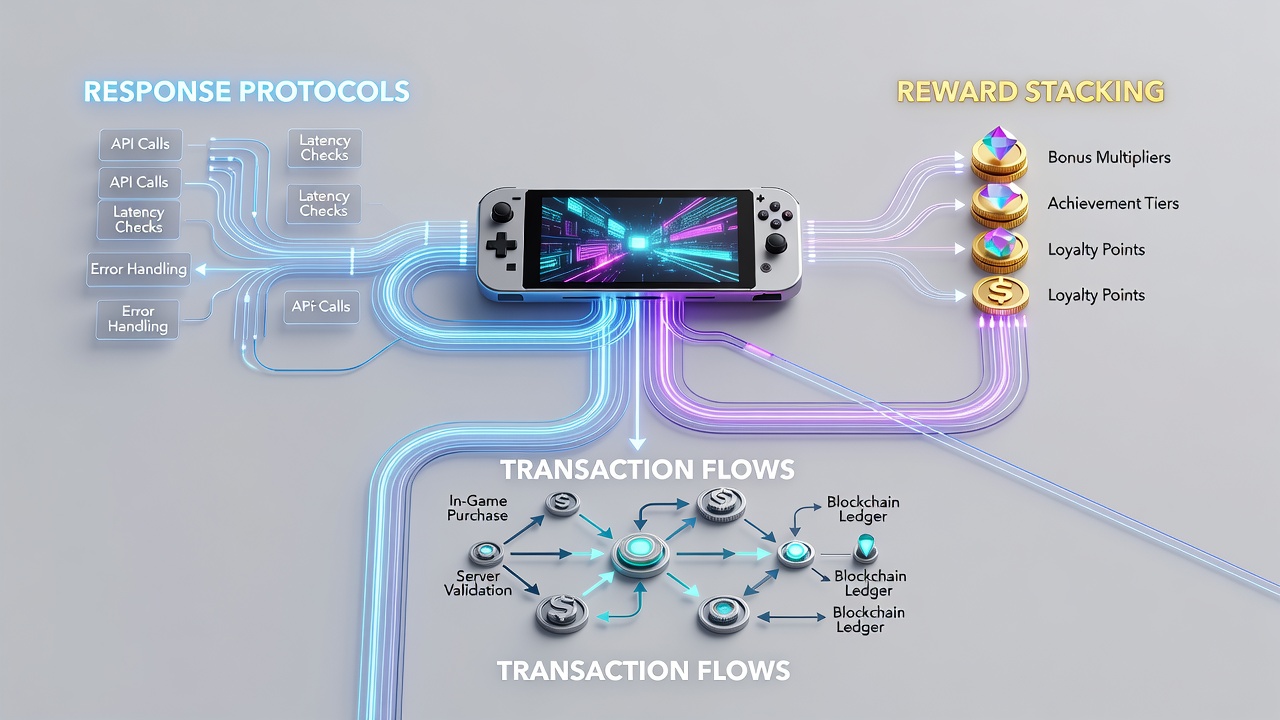
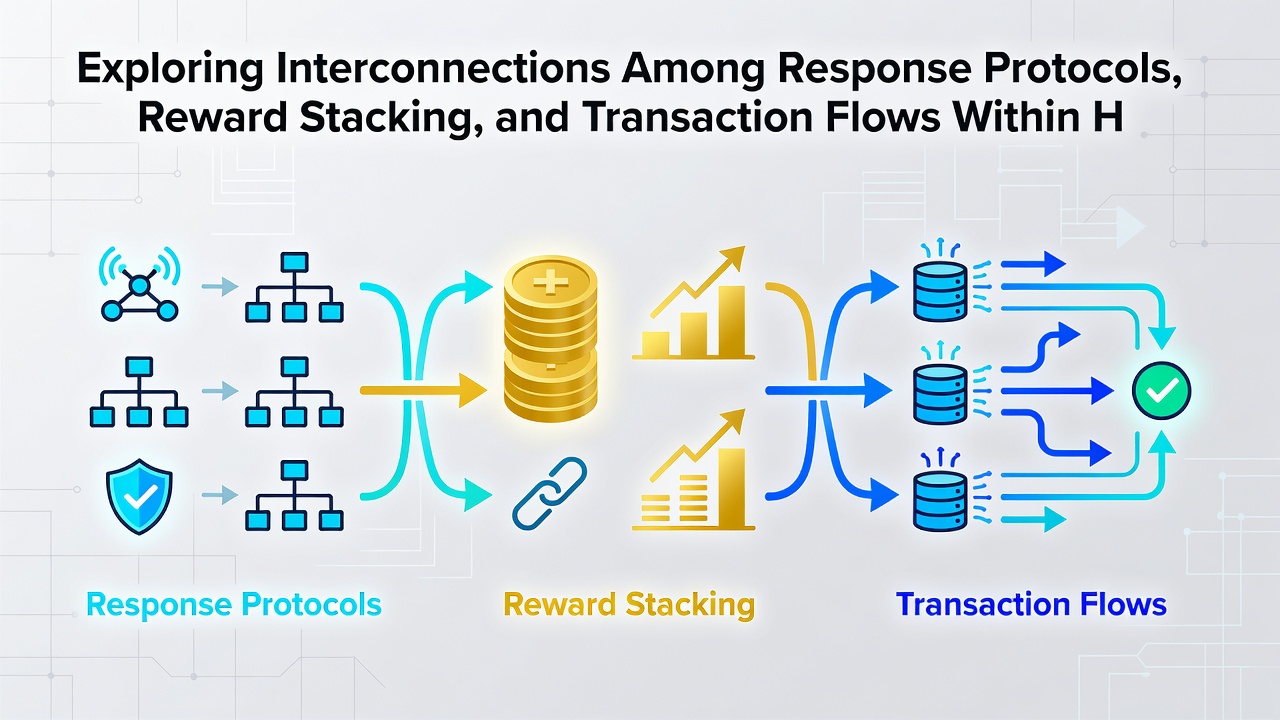
Handheld gaming platforms integrate response protocols with reward stacking mechanisms and transaction flows through layered software architectures that process user interactions in real time, and these systems handle queries from support interfaces while managing layered incentives that accumulate across multiple game sessions. Data from industry reports indicate that mobile casino applications coordinate these elements to maintain operational continuity, particularly when players activate bonuses and initiate deposits or withdrawals simultaneously.
Response Protocols in Mobile Gaming Environments
Support response systems within handheld platforms operate through automated ticketing combined with live chat modules that log player inquiries about game mechanics or account status, and these protocols route requests to backend servers that synchronize with game engines to verify eligibility for stacked rewards. Observers note that response times influence how quickly users receive confirmation on accumulated free spins or deposit matches, which in turn affects subsequent transaction approvals. Research from regulatory bodies across multiple jurisdictions shows that platforms using integrated API frameworks reduce latency between query resolution and reward activation by coordinating database updates across user profiles.
Reward Stacking Mechanisms and Their Dependencies
Reward stacking occurs when players combine multiple promotional layers such as welcome bonuses, loyalty points, and in-game multipliers within a single session on portable devices, yet this process relies on response protocols to validate each layer before the next becomes available. Transaction flows enter the sequence when users attempt to convert stacked rewards into playable credits or initiate cashouts, and system logs reveal that delays in support responses can interrupt the chain by holding pending verifications. Studies from academic institutions in North America and Europe demonstrate that seamless stacking correlates with faster query handling speeds, as platforms must cross-reference player activity logs with promotional rules before releasing funds through payment gateways.
Transaction Flows Linked to Protocol Efficiency
Payment processing in handheld gaming apps follows pathways that begin with deposit confirmations and extend through withdrawal requests, while reward stacking inserts intermediate steps where bonuses must clear verification checks tied to response protocols. In June 2026, updates to several major platforms introduced enhanced encryption layers that tie transaction confirmations more closely to support ticket resolutions, allowing simultaneous processing of stacked incentives and fund transfers. Figures from gaming associations in Australia and Canada indicate that these interconnections reduce failed transaction rates when response systems prioritize queries involving active promotions.
Integration Patterns Across Platforms
Developers design handheld interfaces so that reward accumulation sequences trigger transaction confirmations only after support protocols clear any discrepancies, and this creates a dependent chain where each element affects timing for the others. One study revealed that platforms incorporating real-time status updates for stacked rewards experience shorter intervals between bonus claims and payout releases, particularly in slot and table game formats accessed via smartphones. Those who've examined system architectures note that synchronization occurs through centralized servers that log every protocol interaction alongside reward ledgers and payment records.
Case Examples from Operational Data
Take one analysis of mobile gaming networks where support response protocols were optimized to handle queries about progressive jackpot contributions, and this adjustment allowed reward stacking to proceed without halting transaction flows during peak usage periods. Another instance involved platforms that aligned live dealer session verifications with bonus activation timelines, resulting in coordinated sequences that moved players from inquiry resolution directly into credit transfers. Data indicates these patterns appear consistently across devices running current operating systems, where API calls between support modules and financial processors maintain continuity.
Conclusion
The interconnections among response protocols, reward stacking, and transaction flows in handheld gaming platforms form interdependent systems that process user actions through coordinated software pathways, and ongoing developments continue to refine these linkages based on performance metrics collected from global operations. Regulatory oversight from bodies in varied regions continues to shape how platforms maintain these connections while adhering to compliance standards for data handling and fund security.