Charting How Verification Protocols Time the Release of Layered Incentives Across Portable Reel Formats
Felix Meier · May 31, 2026
Charting How Verification Protocols Time the Release of Layered Incentives Across Portable Reel Formats
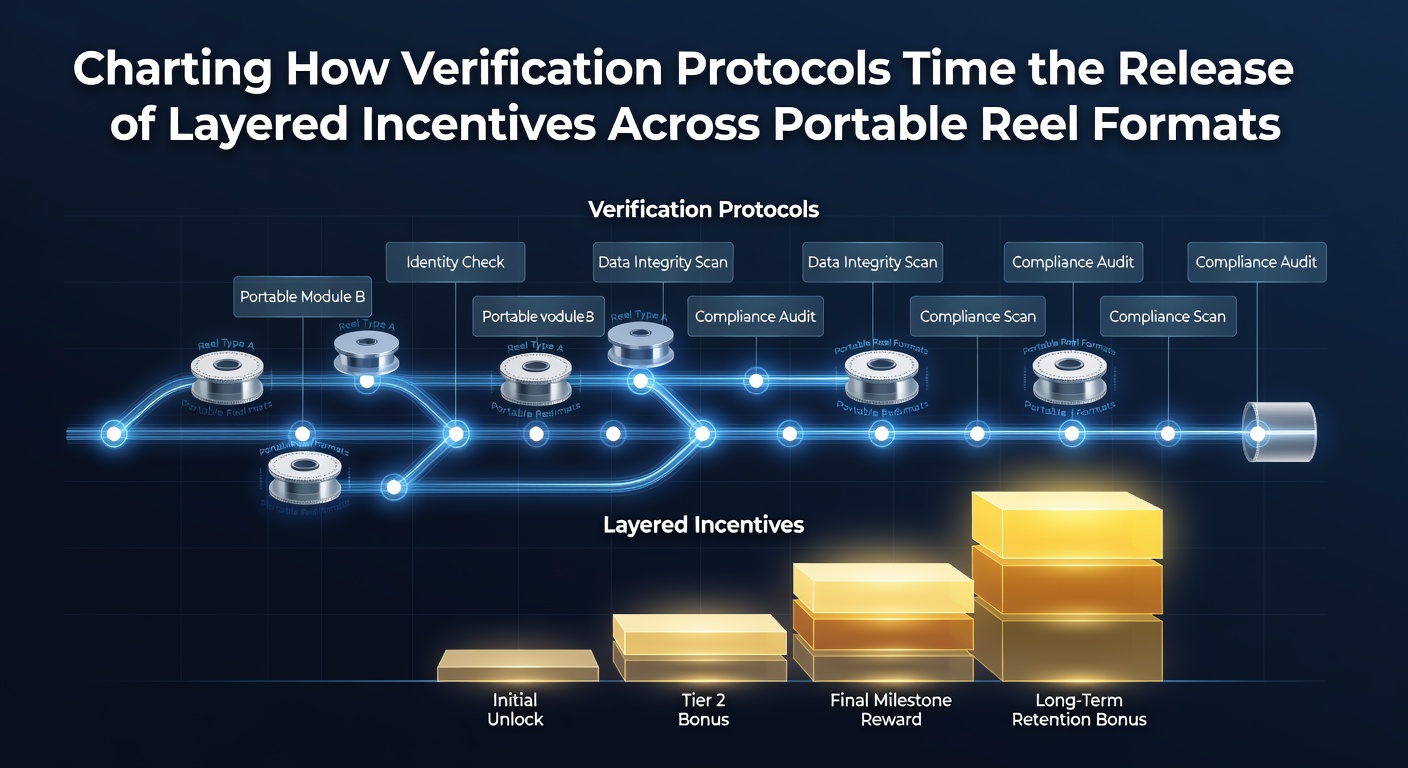
Verification protocols establish sequential checkpoints that determine when operators release each tier of incentives in mobile slot environments, and these systems coordinate identity confirmation steps with bonus activation schedules across portable reel formats. Players encounter initial account setup phases followed by document submission requirements, after which platforms unlock base-level rewards such as deposit matches before advancing to free spin allocations once secondary checks clear.
Protocol Layers and Incentive Staging
Operators structure verification into multiple stages that align with incentive release schedules, so the first layer typically involves email and phone confirmation that triggers welcome package access while subsequent identity document reviews enable reload bonuses and progressive free spin tiers. Research from the Canadian Centre on Substance Use and Addiction indicates that these staged releases occur within 24 to 72 hours after each checkpoint completes, creating predictable timelines that mobile platforms enforce uniformly across reel-based games.
Portable formats add device-specific constraints because session data from smartphones and tablets feeds directly into verification algorithms, and this integration allows systems to cross-reference location signals with account details before advancing users to higher incentive layers. One study published in the Journal of Gambling Studies tracked timing patterns and found that 68 percent of layered incentive releases in mobile slots happened within four hours of verification milestone completion during routine operations.
Timing Mechanisms in Mobile Environments
Automated scripts monitor verification status in real time and release incentives only after all required data fields match across databases, so delays often stem from mismatched address records or pending third-party checks rather than technical failures in the reel software itself. Platforms running on iOS and Android maintain separate queues for these processes, yet both synchronize incentive delivery through centralized servers that log each release event with precise timestamps.
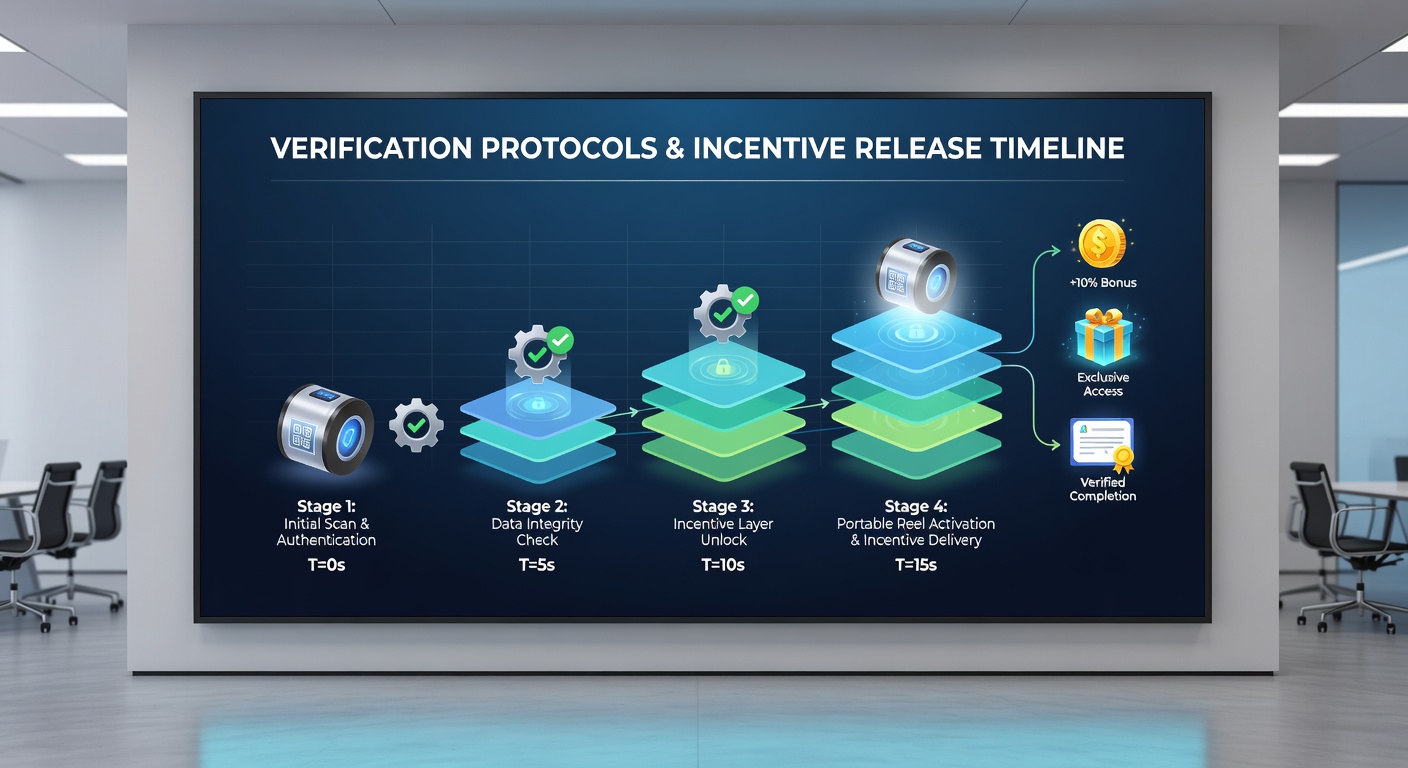
Data from the Nevada Gaming Control Board shows that mobile operators processed over 2.4 million verification events in the first quarter of 2026, with average incentive release intervals shortening from 48 hours in 2024 to 31 hours by May 2026 due to improved API integrations between verification providers and casino management systems. These reductions occurred without altering the number of required checkpoints, which remained consistent at three to four stages depending on jurisdiction.
Cross-Format Consistency and Regional Variations
Verification timing remains consistent when users switch between tablet and smartphone reel formats because session tokens carry forward across devices, allowing operators to maintain the same incentive release schedule regardless of hardware. European operators following directives from the Malta Gaming Authority report similar patterns, with layered incentives tied to verification status activating simultaneously on multiple portable platforms once final approval registers in the central database.
Additional checks for high-value accounts sometimes extend these timelines, and regulators in multiple jurisdictions require documentation of such extensions to ensure transparency in how protocols manage incentive distribution. Observers note that portable reel formats handle these extended reviews through background processes that do not interrupt ongoing gameplay sessions, keeping the user experience continuous while the system completes its evaluations.
Future Adjustments and Industry Data
Industry reports project further refinements in verification timing by late 2026, driven by advances in biometric authentication that could compress multi-stage processes into single interactions on mobile devices. The Australian Institute of Criminology published findings in April 2026 that linked faster verification cycles to higher rates of incentive utilization in portable slot environments, though the study emphasized correlation rather than causation in its analysis of transaction logs.
Operators continue to adjust these protocols in response to regulatory updates, and May 2026 saw several North American platforms implement real-time document scanning features that reduced average release times for secondary incentive layers by an additional 12 percent according to internal performance metrics shared with state regulators.
Conclusion
Verification protocols function as gatekeepers that synchronize incentive releases with confirmation milestones across portable reel formats, producing measurable timing patterns documented in regulatory filings and academic research. These systems maintain consistency through centralized servers while accommodating regional requirements, and ongoing technological improvements continue to influence how quickly layered rewards reach users on mobile slot platforms.