Biometric Gateways Reshaping Entry Protocols Across Interactive Digital Wagering Platforms
Avery Carter · Jul 10, 2026

Biometric Gateways Reshaping Entry Protocols Across Interactive Digital Wagering Platforms
Interactive digital wagering platforms have shifted toward biometric gateways as primary entry mechanisms, replacing traditional password systems with fingerprint scans, facial recognition, and voice patterns that verify user identity in real time. These systems connect directly to regulatory databases and payment processors, allowing platforms to confirm age, location, and account status before granting access to games or betting interfaces. Data from multiple jurisdictions shows adoption rates climbing steadily through 2025, with operators integrating hardware sensors on mobile devices and webcams on desktop terminals to handle teh authentication flow.
Technical Architecture Behind Biometric Entry Systems
Biometric gateways operate through layered encryption protocols that capture physiological data at the device level, then transmit hashed templates to centralized servers for matching against stored records. Operators employ algorithms from providers like those certified under ISO standards, ensuring that raw biometric information never leaves the user's device in unencrypted form. This architecture supports seamless handoffs between mobile apps and browser sessions, where a single scan can unlock both account balances and personalized game libraries without additional logins.
Platforms in North America and Europe have reported integration timelines spanning 12 to 18 months, during which legacy username-password systems run parallel to biometric modules for fallback purposes. By July 2026, analysts project that over 60 percent of major operators will phase out password-only entry entirely, driven by compliance mandates from bodies such as the Nevada Gaming Control Board and equivalent agencies in Australia. The transition reduces credential-sharing incidents, which previously accounted for a measurable portion of account disputes according to industry audits.
Regulatory Drivers and Compliance Integration
Government agencies across regions have updated verification requirements to accommodate biometric standards, with rules emphasizing data minimization and user consent at every step. Canadian provincial regulators, for instance, require platforms to log authentication events while deleting raw scans within specified retention windows. Similar frameworks in several EU member states tie biometric deployment to broader digital identity initiatives, creating interoperability between wagering accounts and national ID systems.
These mandates have prompted operators to partner with third-party vendors specializing in liveness detection, which distinguishes live users from photos or recordings during scans. Evidence from platform audits indicates that such measures cut synthetic identity fraud attempts by measurable margins in the first year of rollout. Observers note that platforms maintaining dual verification paths see faster approval from licensing authorities when expanding into new markets.
Implementation Patterns Across Mobile and Desktop Environments
Mobile-first operators embed biometric prompts into app onboarding sequences, where users complete an initial scan that links to device-level secure enclaves like Apple's Face ID or Android's biometric framework. Desktop environments rely more on webcam-based facial matching supplemented by behavioral signals such as typing cadence. One study released through the Australian Gaming Association documented how these combined signals improved session continuity, allowing users to resume play across devices without re-authentication delays.
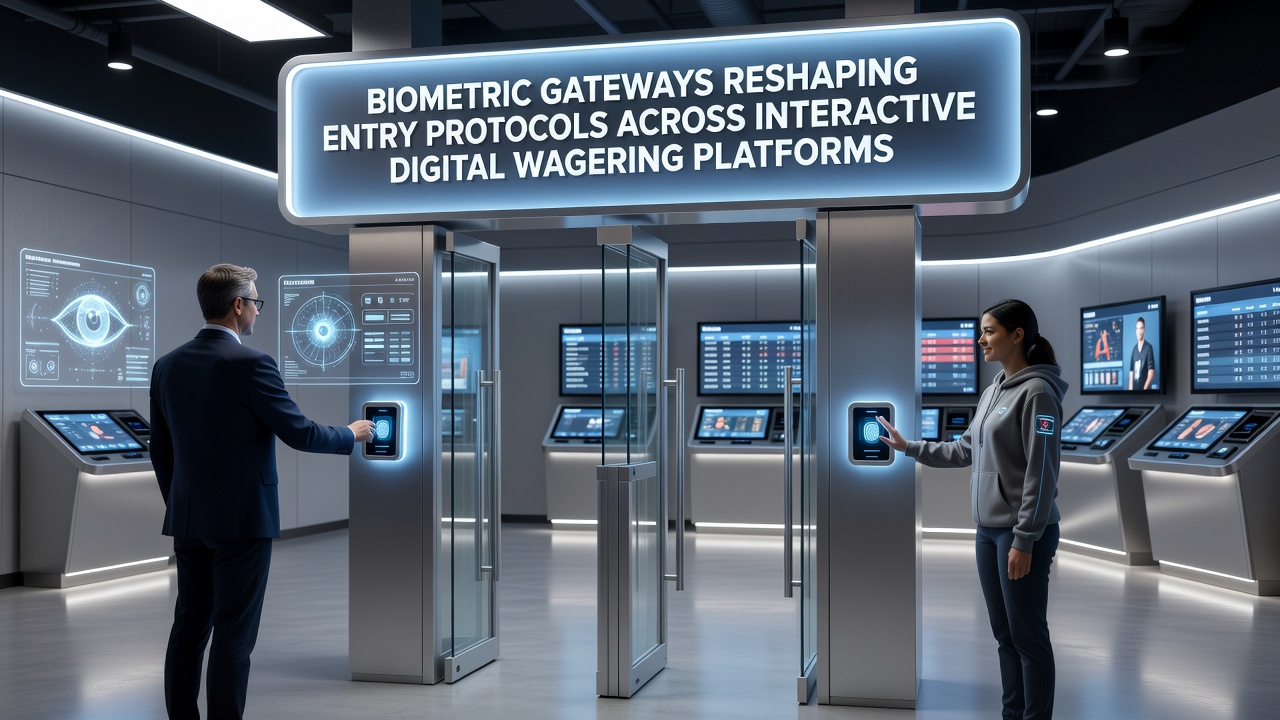
Case examples from operators in Atlantic City and Macau reveal staggered rollouts, beginning with VIP tiers before expanding to general user bases. These phased approaches let support teams address edge cases, such as users with temporary injuries affecting fingerprint readability, by offering alternative modalities like iris scanning. The result has been higher completion rates for account verification steps, which in turn streamlines bonus activations and deposit flows.
Security Metrics and Fraud Reduction Data
Independent testing labs have measured declines in account takeover attempts following biometric deployment, with some platforms citing drops exceeding 40 percent in unauthorized access reports. The systems flag anomalies such as mismatched device locations or unusual scan angles, triggering secondary checks that route suspicious activity to human review queues. Research compiled by academic groups tracking digital security trends shows that biometric templates, when properly salted and encrypted, resist reverse-engineering more effectively than stored password hashes.
Yet platform operators continue to maintain audit trails that allow regulators to trace every authentication event back to specific hardware and software versions. This traceability supports dispute resolution when users contest transactions, providing timestamped records that align with banking and gaming commission standards.
Future Projections Through Mid-2026
Industry roadmaps indicate continued refinement of multi-modal biometrics, where platforms combine two or more traits for higher assurance levels during high-value transactions. Projections shared at recent trade forums suggest that by July 2026, voice recognition will join fingerprint and facial options on a wider scale, particularly for live dealer interfaces that already capture audio streams. Hardware advancements in under-display sensors and improved low-light camera performance are expected to reduce friction for users in varied environments.
Cross-border operators face additional layers of complexity when aligning biometric policies with differing national privacy statutes, yet standardized APIs from major vendors have begun to ease these alignments. Those who've tracked similar technology shifts in financial services note that wagering platforms often follow banking timelines by one to two years, positioning the sector for accelerated updates once core infrastructure stabilizes.
Conclusion
Biometric gateways have established themselves as foundational components of entry protocols on interactive digital wagering platforms, driven by regulatory evolution, fraud mitigation results, and device capability growth. Data through 2025 demonstrates measurable improvements in verification speed and security posture, while July 2026 stands as a benchmark for broader standardization across mobile and desktop channels. Continued vendor partnerships and compliance alignment will shape how these systems expand without disrupting user access patterns or operational reporting requirements.